What an AI agent development company builds, and how to hire one
An AI agent is a model that can call your tools. What a development partner should deliver, what a first agent costs, and the questions that separate real builders from demo makers.
NectArray team · 25 September 2026 · 5 min read
"AI agent" now covers everything from a chat widget on a website to software that reads your inbox, updates your CRM and books the meeting without anyone touching it. So when you go looking for an AI agent development company, the first job is working out which of those you are being sold.
This guide explains what an agent is in practical terms, what a development partner should hand over at the end, roughly what a first agent costs, and the questions that tell a team that ships agents apart from a team that ships demos.
What an AI agent actually is
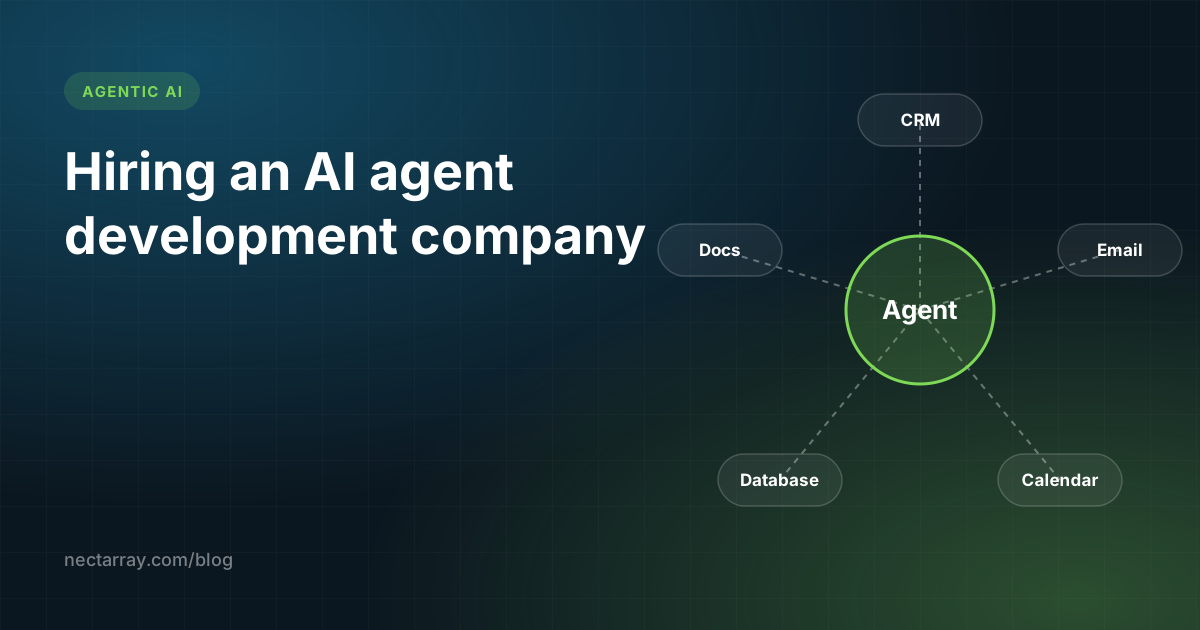
An agent is a language model that is allowed to call your tools. You give it a goal, such as "qualify this lead and book a call if they fit", and a set of tools it may use: search the CRM, read the pricing sheet, check the calendar, send an email. The model decides which tool to call, reads the result, and decides what to do next, until the goal is met or it hands over to a person.
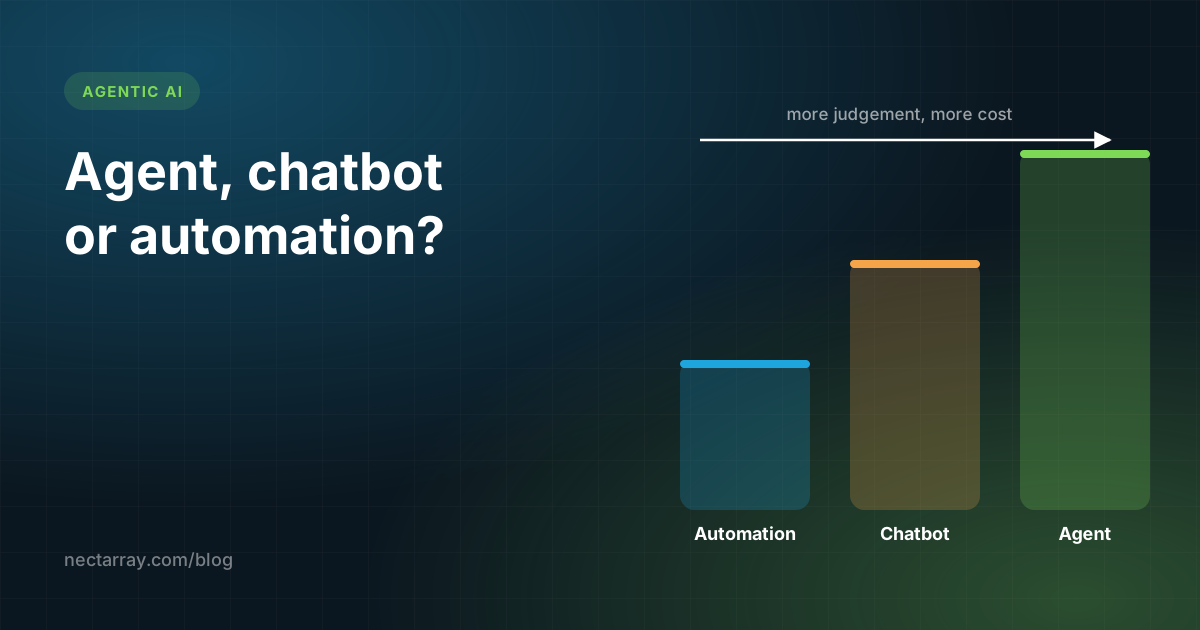
A chatbot answers questions. An agent takes actions. That difference is why agents need more engineering around them: permissions, logging, limits on what they may spend or send, and a way for a person to step in.
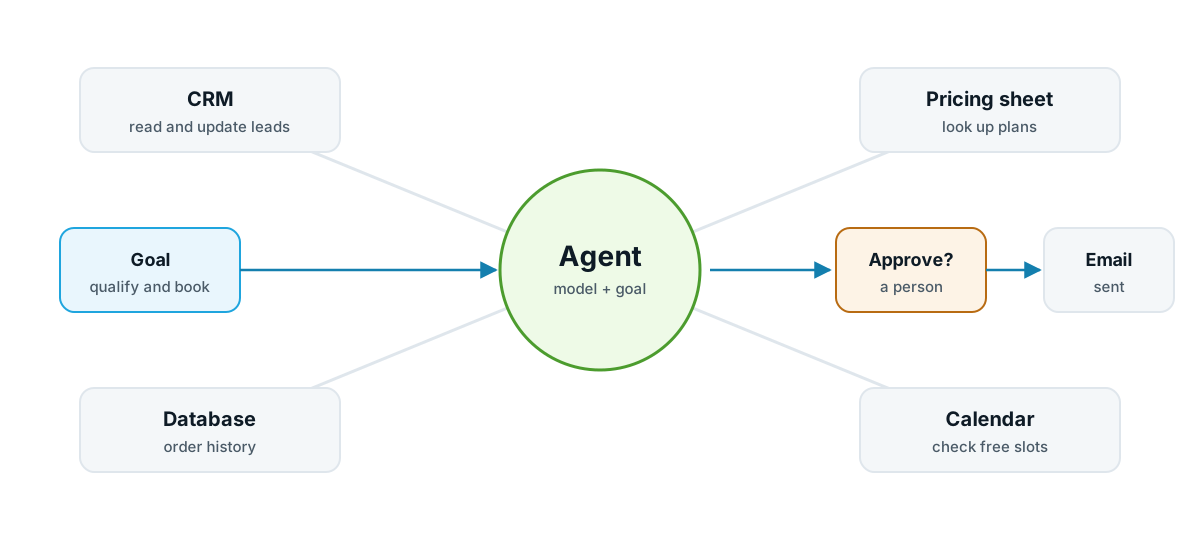 A typical first agent: one model, four or five tools, and a person who approves anything that cannot be undone.
What a good first agent looks like
The agents that pay back quickly are narrow. They do one job that currently takes a person hours each week, the steps are mostly the same every time, and a mistake is annoying rather than disastrous. Some examples from the kind of work we see:
- Reading every new enquiry, pulling the company's details, scoring the fit and drafting a reply for a salesperson to send.
- Matching supplier invoices against purchase orders and flagging the ones that do not line up.
- Answering customer questions from your own documents and handing anything about refunds to a person.
- Pulling last week's numbers from the ad platforms and analytics, and writing the Monday summary.
An agent that runs the whole business, or replaces a department, is a bad first project. It has too many tools and too many ways to go wrong, and nobody can tell whether it is working.
What the company should deliver
When the project ends you should own more than a working demo. Ask for these in the contract:
- The source code in your own repository, with a README that a new developer can follow.
- An evaluation set: a few dozen real examples with the correct outcome for each, and a script that runs the agent against them. This is how you know the next change did not break anything.
- Tracing, so every run can be replayed step by step. Tools such as LangSmith do this out of the box.
- Guardrails written down: what the agent may do on its own, what needs a person's approval, and what it may never do.
- Cost monitoring, with a per-day limit on model spend.
- A handover session with whoever will run it.
If a company cannot describe how it will measure whether the agent is right, it is going to judge it by whether the demo felt good. That works until the first bad week in production.
What it costs
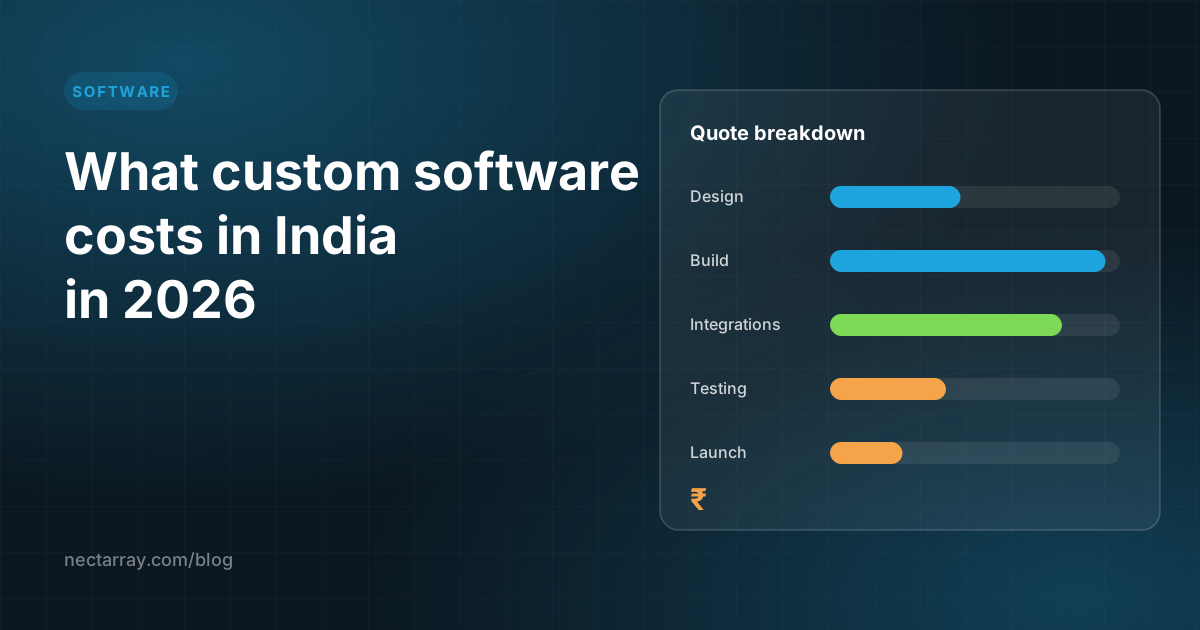
Prices vary with the number of tools, the systems you need to connect, and how much human review is built in. As a rough guide for the Indian market in 2026:
| Scope | Typical build time | Rough build cost |
|---|---|---|
| A document question-answering assistant over your own files | 2 to 4 weeks | ₹1.5 to 4 lakh |
| A single-workflow agent with 3 to 5 tools and approvals | 4 to 8 weeks | ₹4 to 10 lakh |
| Several agents sharing tools, with a dashboard and roles | 2 to 4 months | ₹10 lakh and up |
On top of the build you pay for model usage every month. For a narrow agent handling a few hundred tasks a day, that is often a few thousand rupees a month, and it can be cut further by routing simple decisions to smaller models. Ask the company to estimate it from your real volumes before you start.
Questions to ask before you hire
Ask to see an agent they have running in production. Then ask:
- What happens when the model is wrong? A good answer describes a specific fallback, such as sending the case to a person, and how they would notice the error.
- How do you test a change before it goes live? Listen for an evaluation set and numbers, not "we try it out".
- Which model will you use, and why? A good team picks per task and can explain the cost difference. A team that uses the largest model for everything will cost you more every month.
- Where does our data go? You should get a clear list of the services that see your data and whether any of them train on it.
- Who can change the agent's instructions after launch, and how is that tracked?
- What will it cost to run each month at our volume?
Red flags are easy to spot once you have asked those. Promises of full autonomy from day one, no mention of testing, a price with no breakdown, or a refusal to hand over the code all point to a team you will struggle with later.
How we approach it
We build agents the way we build the rest of our software. We start with one workflow, write the evaluation set with your team before the first line of agent code, and launch with a person approving the risky steps. Once the numbers show it is reliable, we widen what it may do on its own. You keep the code, the traces and the test set.
If you have a process in mind and want to know whether it is a good first agent, send us a short description. We will tell you honestly if a simpler automation would do the job for less.